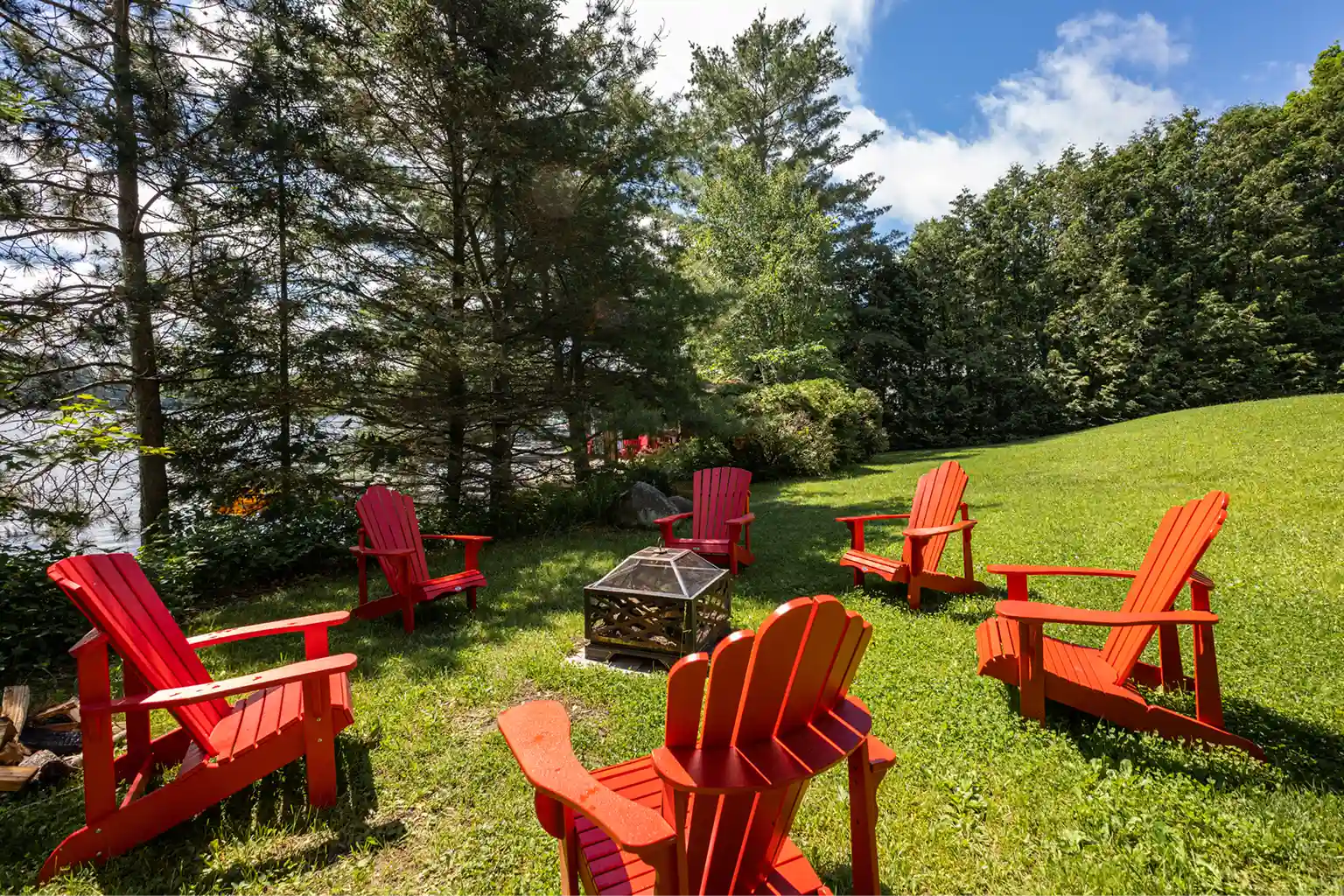
A campfire is the centrepiece of cottage evenings across Ontario. Building one safely, choosing the right wood, managing it through the night, and extinguishing it completely are the four skills that make every campfire memorable for the right reasons.
Why Is the Campfire Central to Ontario Cottage Culture?
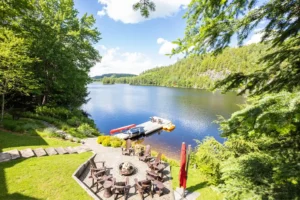
No single activity in Ontario cottage country gathers people the way a campfire does. It is the evening anchor, the place where conversation slows down, where marshmallows are burned with cheerful inattention, and where the day transitions naturally into night. The sound of a wood fire crackling beside a lake, with loons calling from across the water, is one of the defining sensory experiences of cottage country. Building one well, and safely, is a skill worth developing before the first trip.
Ontario Parks reports that recreational forest users cause approximately 200 wildfires per year in the province, many from unextinguished or unattended campfires. For cottage renters, the responsibility is clear: the fire you build is the fire you own, from lighting to the final cold ash. Cottage Vacations properties across Muskoka, Parry Sound, and the Kawarthas all specify fire pit location and rules in their property guidelines.
What Should You Check Before Building a Campfire at a Cottage?
Before lighting any fire at a cottage property, confirm the following.
- Fire ban status: The Ontario government and local municipalities issue fire bans during dry conditions. Check the Ontario Ministry of Natural Resources and Forestry website or contact the local fire department before your trip for current restrictions in the cottage country region you are visiting.
- Property rules: Each cottage managed by Cottage Vacations specifies fire pit location, fire size rules, and any property-specific restrictions in the guest information. Read these before your first fire.
- Weather conditions: Wind is the most dangerous variable for a campfire. Do not build a fire in sustained winds above 20 km/h. Even a small campfire becomes difficult to control when the wind picks up unexpectedly.
- Water availability: Have a filled bucket of water positioned within arm’s reach of the fire pit before the first match is struck. This is not optional.
What Wood Should You Use for a Cottage Campfire?
The single most important rule about firewood in Ontario is: never bring firewood from home or from outside the region. Ontario has been managing the spread of the Emerald Ash Borer and other invasive insects for years. Moving firewood from one region to another moves the insects with it. Buy local firewood near the cottage, at a hardware store, grocery store, or roadside stand in the cottage country region. This protects the forests that make Ontario cottage country worth visiting.
Tinder
Tinder is the fine, easily ignited material that the kindling catches from. Dry leaves, shredded newspaper, cardboard, dryer lint, and dry pine needles all work well. Ball the tinder loosely in the centre of the fire pit to allow airflow. Wet or damp tinder is the most common reason a cottage fire fails to light cleanly.
Kindling
Kindling is small dry sticks, roughly finger-thickness, that catch from the tinder and transfer heat to the larger logs. Dry kindling should snap cleanly when bent. A kindling that bends without breaking is still too damp. Collect or purchase kindling separately and keep it dry under cover before use.
Firewood Logs
Seasoned hardwood, wood that has been split and dried for at least six months, produces the hottest, most long-lasting fire with the least smoke. Oak, maple, and birch are the standard choices in Ontario cottage country. Softwoods like pine burn faster and produce more sparks, which can land on the surrounding grass or the dock. Use softwood to establish the fire, then add hardwood logs to sustain it.
How Do You Build a Campfire That Actually Lights?
There are two reliable fire structures for a cottage setting.
The Teepee Structure
Place the tinder ball in the centre of the fire pit. Lean kindling sticks around the tinder in a teepee formation, leaving an opening facing the wind direction. Light the tinder through the opening at the base. As the kindling catches, add progressively larger sticks, then logs in the same teepee arrangement. This structure produces a hot, concentrated flame that establishes quickly.
The Log Cabin Structure
Place two larger logs parallel to each other with a gap between them. Stack two smaller logs perpendicular across the top. Continue alternating layers, each slightly smaller. Place tinder in the centre cavity and light from below. The log cabin burns more slowly and evenly than the teepee and is better suited to a fire you plan to maintain for a long evening.
How Do You Keep a Campfire Safe Throughout the Evening?
- Never leave a campfire unattended. If you leave the fire pit for any reason, assign someone to stay with the fire.
- Keep the fire to a manageable size: no more than one metre high and one metre in diameter. A larger fire is harder to control and produces more sparks.
- Never use gasoline, lighter fluid, or any accelerant to revive a dying fire. Use additional tinder and kindling instead.
- Keep children and pets at a distance from the fire ring. Establish a clear zone that young children understand.
- Do not burn garbage, treated wood, or painted materials. The smoke from these materials is toxic and the smell is unpleasant for nearby properties.
- Use a long stick to reposition logs without reaching over the flame. Keep a pair of long tongs or fireplace gloves available at the fire pit. Check what the packing guide recommends bringing for outdoor fire evenings.
How Do You Extinguish a Cottage Campfire Completely?
The Ontario Fire Code and responsible cottage practice both require that a campfire be completely extinguished before anyone goes to bed or leaves the property. A fire that appears out may have embers deep in the ash that can reignite hours later.
- Pour water on the fire slowly and systematically, starting at the outer edge and working toward the centre. Pour enough water to produce steam.
- Stir the ash and embers with a long stick to expose buried embers to the water.
- Pour water again. Stir again. Repeat until no steam is produced.
- Hold the back of your hand over the ash without touching it. If you feel heat, apply more water. A properly extinguished campfire produces no heat above the ash surface.
- Never bury ash to extinguish it. Buried ash retains heat for hours and can reignite when exposed to air.
The Cottage Campfire Is Worth Getting Right
A well-built campfire on a still Ontario lake evening is one of the best experiences cottage country offers. Getting the fundamentals right, sourcing local firewood, building with dry materials, managing the size, and extinguishing completely, ensures the fire is a highlight rather than a hazard. Cottage Vacations properties across Muskoka, Kawarthas, and all major cottage country regions include fire pit details in each listing.
Find Your Ontario Cottage With a Perfect Fire Pit
Browse waterfront cottages with fire pits and lake views across Ontario cottage country. Speak to an advisor to find your perfect match.
Frequently Asked Questions
1. Is it legal to have a campfire at an Ontario cottage?
Open-air burning at an Ontario cottage is legal in most areas but is subject to local fire bans issued during dry conditions. The Ontario government and local municipalities post current fire ban information online. Always check the ban status for the specific region before lighting a fire. Even when no ban is in effect, the property owner’s rules for fire size and location apply. When finding a cottage to rent, confirm the property’s fire rules and any posted restrictions before your arrival date.
2. Why should you never bring firewood from home to a cottage in Ontario?
Moving firewood between regions in Ontario risks spreading invasive insects and plant diseases, including the Emerald Ash Borer, which has devastated ash populations across the province. Ontario has quarantine zones that restrict firewood movement from affected areas. Always buy firewood near the cottage property from a local supplier in the cottage country region you are visiting.
3. What is the safest way to extinguish a campfire at a cottage?
Pour water slowly over the fire, starting from the outer edges and working toward the centre. Stir the ash and embers with a long stick to expose buried embers. Pour more water and stir again. Repeat until no steam is produced when water contacts the ash. Hold the back of your hand six inches above the ash without touching. If you feel any heat, apply more water. Never bury ash or leave a fire that is still producing heat. A bucket of water and a long metal poker are useful additions to your packing guide list for any cottage stay that includes an outdoor fire.
4. What type of wood burns best for a cottage campfire in Ontario?
Seasoned hardwood is the best choice for a cottage campfire. Oak, maple, and birch produce the most heat per log, burn longest, and generate fewer sparks than softwoods. Softwood like pine ignites more easily and is useful for starting the fire, but produces more sparks and burns faster. All firewood in Ontario cottage country should be purchased locally near the property to avoid spreading invasive species. To find a property with the right outdoor setup for campfire evenings, browse all cottages and review the listed amenities for each property.
5. How large should a campfire be at an Ontario cottage?
Ontario fire safety guidance recommends keeping an open campfire no larger than one metre high and one metre in diameter. Larger fires are difficult to control in changing wind conditions and produce more sparks that can travel to surrounding grass, decking, or structures. A smaller, well-managed fire is safer, produces better coals for cooking, and is easier to monitor throughout the evening. When you rent a cottage in Ontario, reviewing the property listing for fire pit size and available safety equipment before arrival helps you plan accordingly.
Key Takeaways
- Always check the Ontario fire ban status for the cottage country region before lighting any fire. Bans are issued during dry conditions and apply to all open-air burning.
- Never bring firewood from home or from outside the cottage country region. Buy local firewood to prevent spreading invasive insects including the Emerald Ash Borer.
- Dry tinder, dry kindling, and seasoned hardwood logs are the three components of a successful campfire. Damp materials are the most common reason fires fail to light.
- Keep a filled water bucket at arm’s reach throughout the fire. Never leave a fire unattended. Extinguish completely with water before leaving or sleeping.
- A properly extinguished campfire produces no steam and no heat detectable above the ash surface.