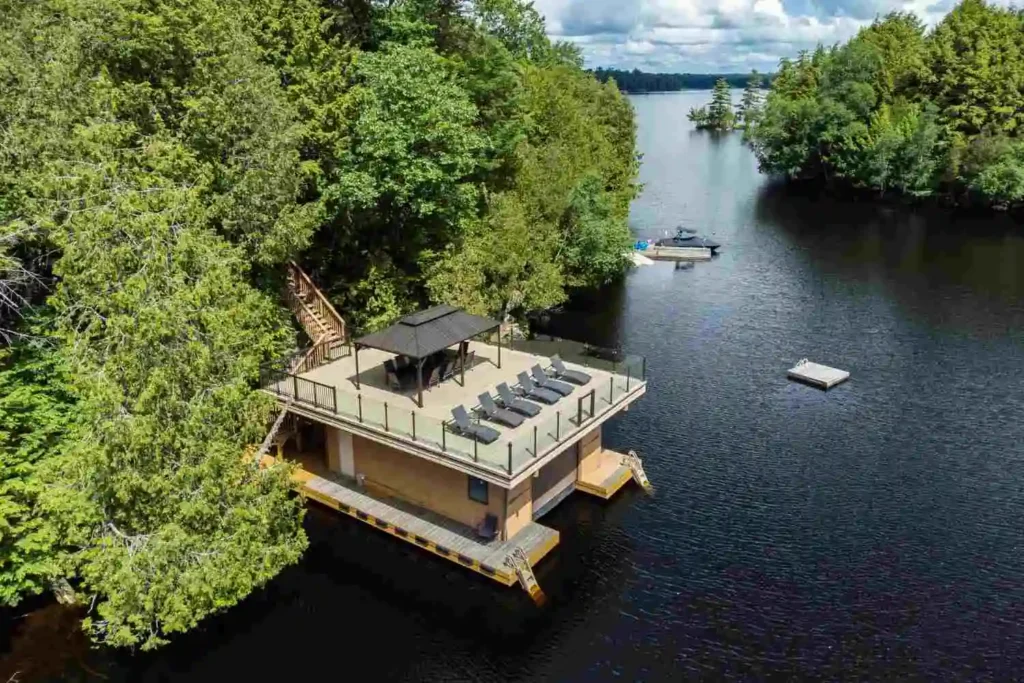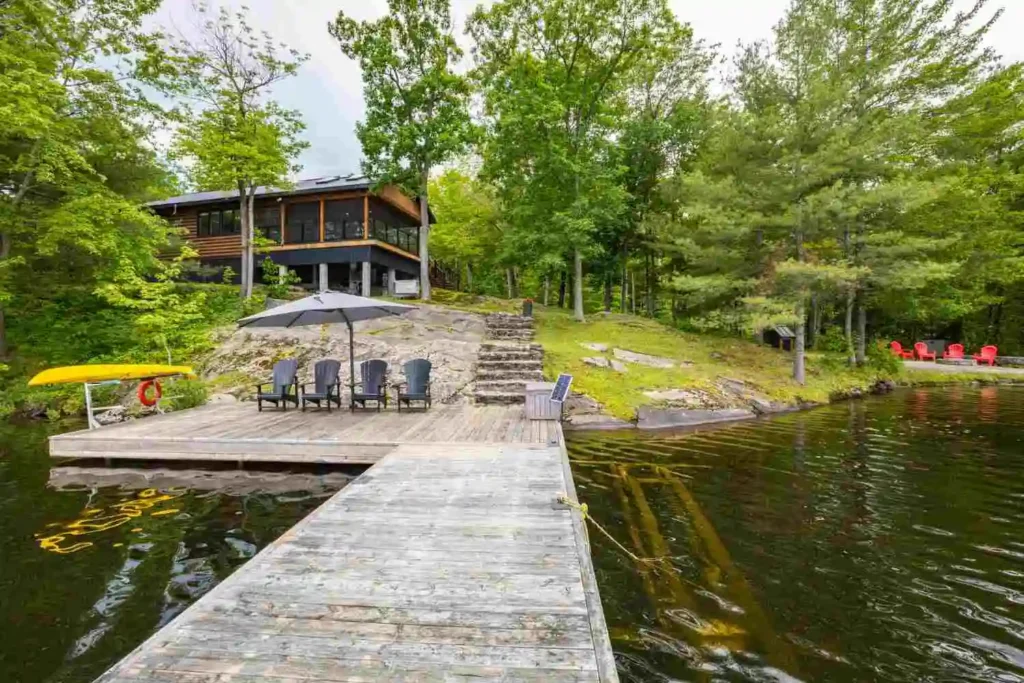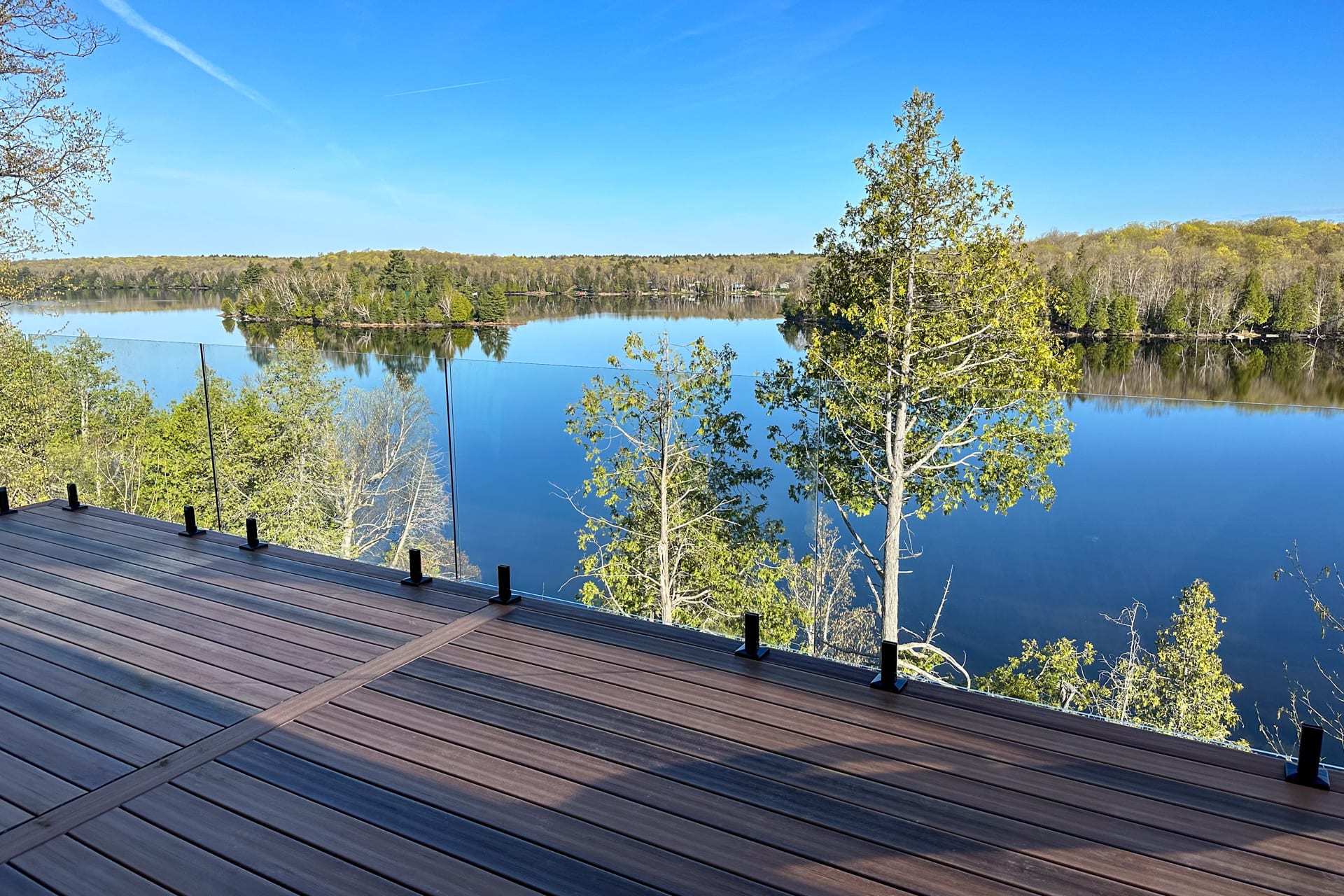
To respect local communities while visiting cottage country, visitors need to understand that the towns, roads, lakes, and trails they use are where people live and work year-round. The decisions made during a cottage stay have a direct impact on the communities that host them.
Why Does Visitor Behaviour Matter to Ontario Cottage Communities?
Ontario cottage country communities are small. Huntsville, Haliburton, Minden, Parry Sound, and dozens of smaller towns along the cottage corridor serve populations that number in the thousands year-round but absorb visitor volumes many times that size during peak season. Local roads, grocery stores, gas stations, healthcare services, and waste management infrastructure all operate under pressure in summer.
The relationship between visitors and residents is not inherently adversarial, but it can become strained when visitors treat the area as a consumption experience without regard for its operational reality. Cottage renters who arrive with an understanding of how local communities actually function tend to have better stays, create fewer problems, and leave the kind of impression that makes them welcome to return.
How Should Visitors Behave on Rural Roads in Cottage Country?
Rural roads in Ontario cottage country are used year-round by residents, tradespeople, emergency vehicles, and agricultural equipment. They are not designed for the traffic volumes they absorb during peak cottage season, and driving behaviour that is acceptable on a four-lane highway creates real hazards on a two-lane gravel road.
What Speed Should Visitors Drive on Cottage Roads?
Posted speed limits on rural cottage roads are set with local road conditions and pedestrian activity in mind. Many cottage roads intersect with private driveways, ATV trails, and walking paths that are invisible to approaching drivers at higher speeds. Local emergency response times in cottage country are longer than in urban areas, which raises the stakes of any collision significantly.
How Should Visitors Treat Local Service Workers?
During peak season, local grocery stores, hardware stores, gas stations, and restaurants operate at or beyond capacity. Patience, courtesy, and treating local service workers with the same respect you would expect in your home city is both appropriate and noticed. Repeat renters who are known to Cottage Vacations and to local businesses as respectful guests tend to find the community more welcoming on return visits.
How Can Cottage Visitors Reduce Their Environmental Impact?
Ontario cottage country ecosystems are under sustained pressure from visitor volume. Lake water quality, shoreline integrity, wildlife habitat, and trail systems all depend on visitors making responsible choices about waste, water use, and movement through natural areas.
How Should Cottage Visitors Handle Waste Disposal?
Waste management in rural Ontario operates differently from urban collection systems. Many cottage regions have transfer stations rather than curbside pickup. Recycling streams are often limited, and contamination rates in rural recycling programs are high due to visitor confusion about what is accepted.
Cottage Vacations properties across the District of Muskoka and surrounding regions include property-specific waste instructions in their guest information packages. Following those instructions protects the local waste management system and the property’s standing with the municipality.
How Should Visitors Protect Lake Water Quality?
Phosphorus loading from lawn care products, boat fuel, and sunscreen runoff is the primary driver of algae growth in Ontario cottage lakes. Using phosphorus-free soaps and cleaning products, following no-wake zones, and avoiding shoreline activities that disturb sediment all directly protect lake water quality. Haliburton County and Kawartha Lakes both have active lake stewardship programs that visitors can reference for specific guidance on their lake.
How Should Visitors Interact with Local Wildlife in Cottage Country?
What Should Visitors Do If They Encounter a Bear Near the Cottage?
Black bears in Ontario cottage country are attracted by food smells, garbage, bird feeders, and barbecue residue. The Ontario Ministry of Natural Resources recommends that property occupants secure all food and waste, remove bird feeders during the summer months, and clean barbecue grates after each use. A bear that encounters food rewards at a property will return. A bear that finds nothing will move on.
How Should Visitors Treat Nesting Birds and Shoreline Wildlife?
Loons, osprey, and great blue herons are present on most Ontario cottage lakes from late spring through midsummer. These birds are sensitive to disturbance during nesting. Paddling within thirty metres of an active nest or loon pair can cause nest abandonment. Shoreline activities that disturb nesting habitat should be avoided from May through July on most Ontario lakes.
How Can Visitors Support Local Cottage Country Economies?
Visitors who spend money in local businesses rather than bringing all supplies from the city contribute directly to the economic health of cottage country communities. The local hardware store, the family-owned grocery, the small restaurant, and the independent outfitter that serve cottage country year-round depend on visitor spending during peak season to remain viable.
Cottage Vacations guests staying across the Georgian Bay region or in Parry Sound are encouraged to explore local businesses, farmers markets, and service providers as part of the cottage experience rather than as a logistical inconvenience.
Visiting Responsibly Makes Every Stay Better
Visitors who understand and respect the communities they are staying in have better cottage experiences. Local businesses are more welcoming to guests they recognize as respectful. Municipal services function more smoothly when visitors follow local protocols. Wildlife encounters are safer and more rewarding when visitors know how to behave. The lake is cleaner and quieter when renters follow shoreline guidelines.
Cottage Vacations selects renters who treat properties and the surrounding communities with care. The agency’s database of 35,000+ previous renters reflects a renter profile that values the cottage country experience enough to protect it.
Find Your Ontario Cottage Today
Cottage Vacations manages 400+ Ontario properties and places guests who are vetted, respectful, and community-aware. Contact out team to learn about available properties in your preferred region and what to expect from a Cottage Vacations managed stay.
Frequently Asked Questions
1. What are the basic rules of cottage etiquette in Ontario?
Core cottage etiquette in Ontario covers noise management, waste disposal, lake water protection, road behaviour, and respectful interaction with local businesses and wildlife. Keeping noise below audible levels for neighbouring properties after 11 pm, following local waste disposal protocols, using phosphorus-free products near the water, and supporting local businesses are the most important baseline behaviours for any cottage visitor. Starting with the right cottage in a well-managed portfolio also sets the tone for a stay that fits naturally into the community around it.
2. How should I dispose of waste at a rented cottage in Ontario?
Waste disposal protocols vary by municipality. Many Ontario cottage regions use transfer stations rather than curbside collection, and recycling streams are more limited than in urban areas. Cottage Vacations provides property-specific waste disposal instructions in its guest information packages. Following those instructions prevents environmental problems and protects the property’s standing with the local municipality.
3. Is it safe to swim in Ontario cottage lakes?
Most Ontario cottage lakes maintain water quality suitable for swimming, but conditions vary by lake and season. Algae blooms, which are more common during hot, low-wind periods, can make some lakes temporarily unsafe. This is particularly relevant across Muskoka lakes during extended heat periods. Local health units publish beach advisories when conditions warrant, and checking their website before swimming after a heat wave is a reasonable precaution.
4. What should I do if I see a bear near the cottage?
If you encounter a black bear near your cottage, stay calm, make yourself appear large, and back away slowly without running. Do not approach the bear or offer food. Bear activity is a known seasonal consideration in areas like Parry Sound and other northern cottage regions. Report the encounter to the Ontario Ministry of Natural Resources and Forestry if the bear appears injured, aggressive, or is repeatedly returning to the area. Securing all food, waste, and attractants at the property reduces the likelihood of repeat visits.
5. How can cottage visitors support local businesses in Ontario cottage country?
Buying groceries, hardware, fuel, and prepared food from local businesses rather than bringing all supplies from the city directly supports the economic health of cottage country communities. Visiting local farmers markets, booking guided activities through local outfitters, and eating at independently owned restaurants in nearby towns are the most direct ways to contribute to the communities that host visitors during the cottage season. The Kawarthas region in particular has a strong network of independent local businesses worth supporting during a cottage stay.
Key Takeaways
- Local communities absorb significant visitor pressure: Small towns in Ontario cottage country serve populations many times their year-round size during peak season. Visitor behaviour directly affects how that pressure is managed.
- Road behaviour matters: Rural cottage roads are not designed for peak-season traffic volumes. Posted speed limits exist for operational safety reasons and must be followed.
- Waste disposal protocols are location-specific: Follow the property-specific instructions provided by Cottage Vacations rather than assuming urban disposal rules apply in rural Ontario.
- Lake protection is shared responsibility: Phosphorus-free products, no-wake zone compliance, and shoreline restraint during nesting season all contribute directly to long-term lake health.
- Supporting local businesses is material: Visitor spending in local grocery stores, restaurants, and service businesses sustains the economic viability of cottage country communities year-round.