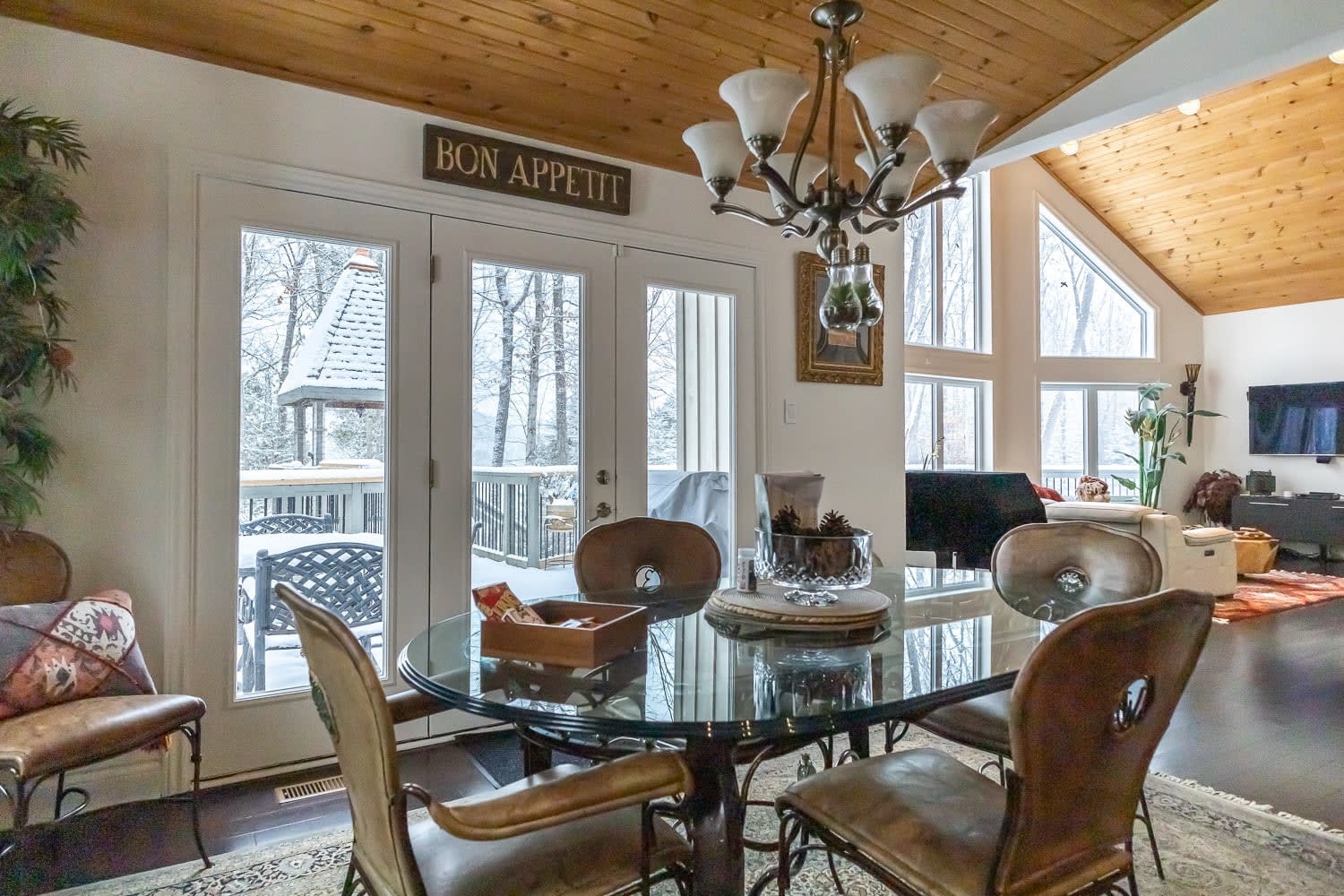
Staging a cottage for sale or rental is not about making it look like something it is not. It is about presenting what the property genuinely offers in the most honest and compelling way possible. This guide covers curb appeal, interior presentation, waterfront staging, safety requirements, and the marketing essentials that convert showings and listing views into signed agreements and confirmed bookings.
Why Staging Determines the Quality of Your Buyer or Renter
The Ontario cottage market is more competitive than at any point in the past decade. Buyers and renters evaluate dozens of listings before narrowing their choices, and the properties that hold their attention share a common quality: they are presented clearly, honestly, and compellingly from the first photograph to the last room. A staged cottage does not just attract more interest. It attracts the right interest, from buyers and renters who are genuinely aligned with what the property offers and prepared to commit at or near the asking price or nightly rate.
Cottage Vacations manages more than 400 properties across Muskoka, the Kawarthas, Haliburton, Georgian Bay, and beyond. Our team has observed directly what separates listings that perform from those that sit. The difference is almost always presentation and transparency, not the underlying quality of the property. Owners who want professional staging guidance and marketing support can connect with our team through the rent your cottage intake process.
Curb Appeal: The First Impression That Happens Before Anyone Arrives
Most buyers and renters form their initial opinion of a property from photographs taken before they have set foot on the grounds. This means curb appeal staging is not about impressing visitors at the door. It is about producing photographs that stop a browser mid-scroll. Walkways should be clear, trimmed, and free of seasonal debris. Decks and docks should be swept, stained if fading, and free of stored equipment that belongs in a shed rather than in a listing photograph. A well-placed Muskoka chair or a tasteful potted plant at the entrance communicates care without overselling the property.
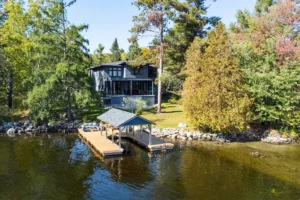
Exterior photographs should be taken in conditions that show the property at its natural best. Early morning or late afternoon light creates warmth and depth that midday sun does not. If the property’s best feature is its waterfront setting, the dock and shoreline deserve dedicated photographic attention during the golden hour. These are the images that drive click-through rates and inquiry volume more than any other element of the listing.
Interior Staging: Creating Spaces People Want to Inhabit
Declutter and Depersonalise
The goal of interior staging is to allow buyers and renters to picture themselves in the space, not to admire the current owner’s taste. Family photographs, personal collections, and idiosyncratic decorative choices should be removed before any photographs are taken or showings scheduled. The result should be a neutral, welcoming interior that suggests quality and care without prescribing a specific lifestyle. Open shelves should be edited to a few considered objects. Kitchen counters should be clear except for one or two attractive functional items.
Furniture Arrangement and Scale
Furniture should be arranged to highlight how a space functions rather than to maximise the number of pieces in the room. Conversation groupings in living areas, a properly scaled dining table set for a meal, and bedroom furniture positioned to showcase the room’s dimensions all communicate that the space is designed for actual human use rather than storage. Pieces that are too large for a room should be removed. Rooms that photograph well feel proportionate and uncluttered even when they are furnished.
Linens, Textiles, and Seasonal Touches
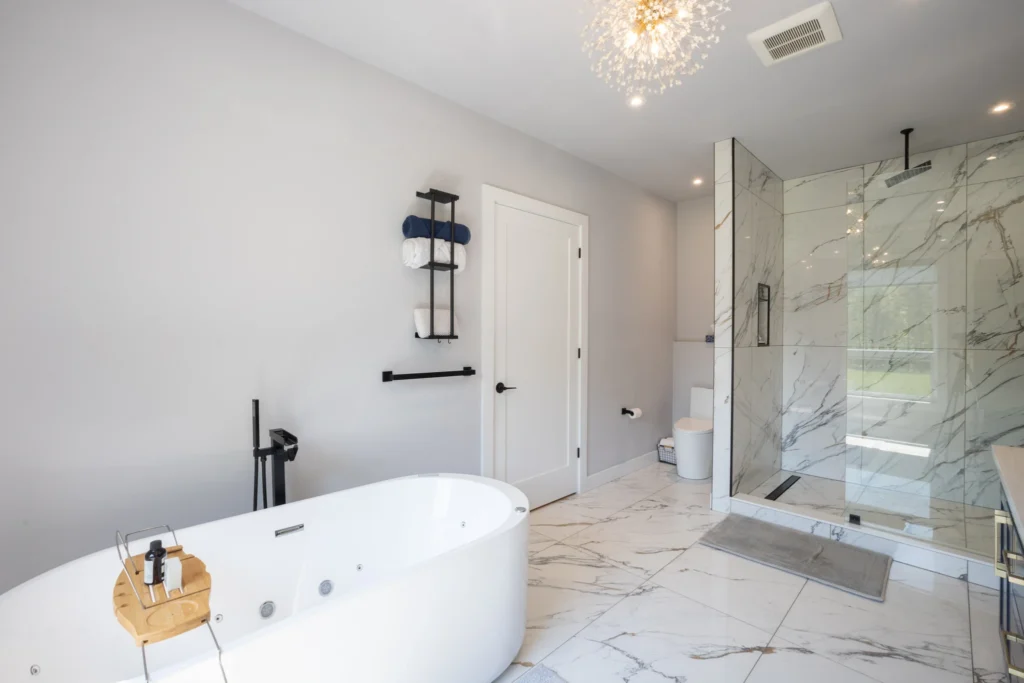
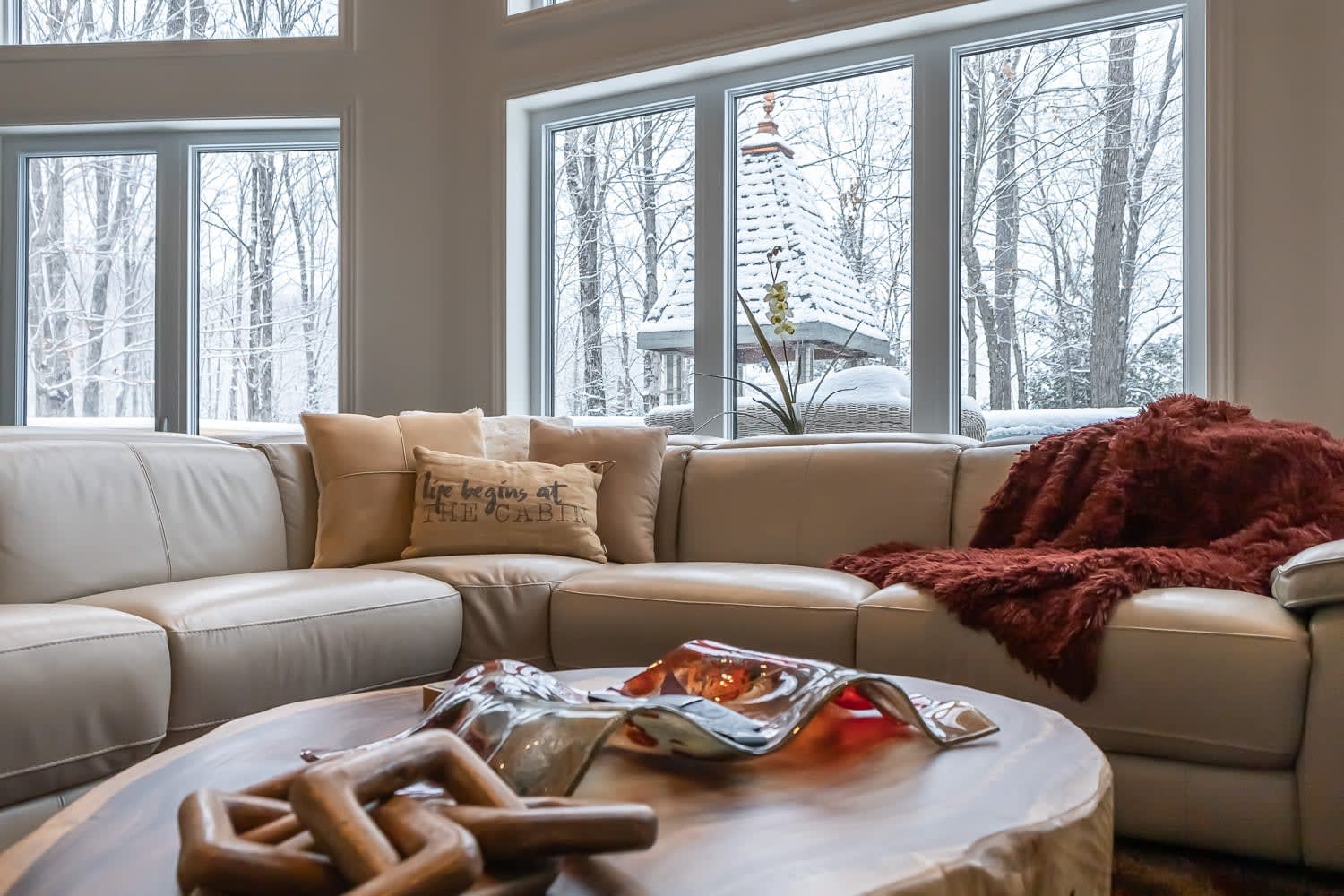
Fresh, neutral linens on all beds are a non-negotiable staging requirement. Coordinated towels folded and displayed in bathrooms, throws arranged on sofas, and cushions positioned rather than piled all contribute to a sense of quality and care. Seasonal relevance matters: summer staging should lean into light fabrics and breezy tones, while autumn staging can introduce warmer textures and deeper accents that suggest the comfort of an off-peak stay. These touches are low-cost and high-impact in photography.
Waterfront Staging: Presenting the Feature That Drives the Booking
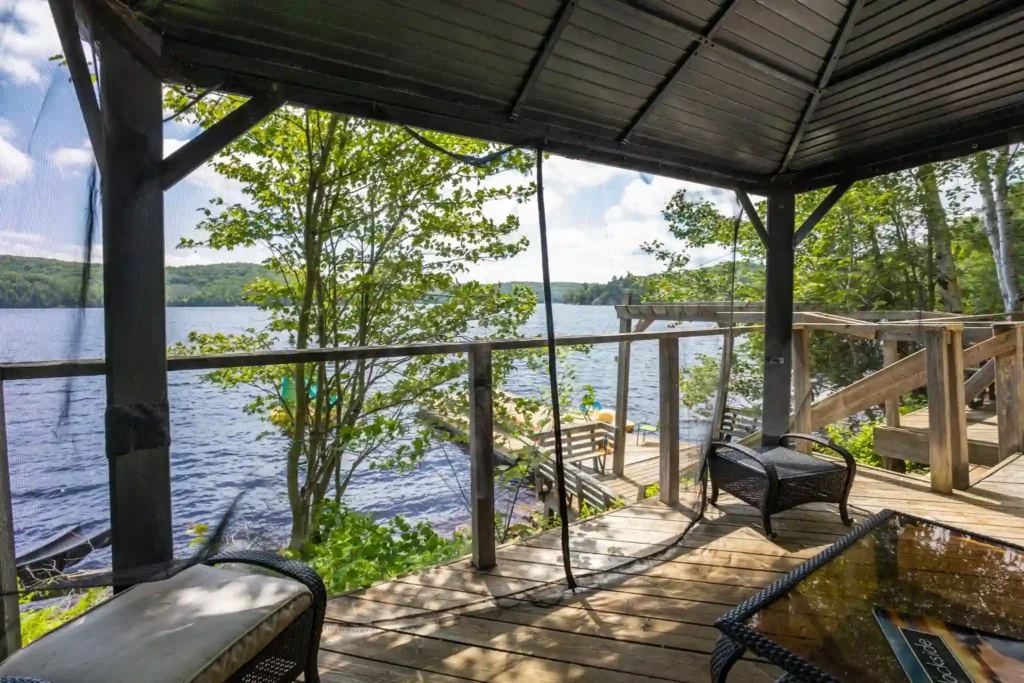
For Muskoka and Haliburton properties, the waterfront is the product. The interior is the supporting cast. Every staging decision that draws attention to the lake, the dock, and the outdoor living experience serves the listing’s core appeal. Windows facing the water should be cleaned inside and out. Outdoor furniture should be arranged to suggest use rather than storage: chairs angled toward the water, a table set for a lakeside meal, a fire pit with seating arranged around it rather than pushed to the perimeter.
Watercraft and water toys should be staged visibly but neatly near the water’s edge. Kayaks, canoes, paddleboards, and fishing equipment are amenities that drive bookings when they are presented as part of the property experience rather than stacked in a corner. Pet-friendly cottages should include staging that communicates that welcome explicitly: a dog bowl, a leash hook near the entry, or a clearly fenced yard area all send a signal to renting families that their whole group, including the dog, is genuinely welcome.
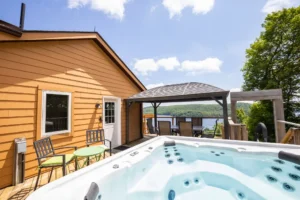
For properties seeking luxury cottage positioning, the outdoor living areas deserve the same staging investment as the interior. Premium outdoor furniture, a properly set dock table, and a hot tub that is clean, filled, and running in photographs all justify the premium rate and attract the renter profile that pays it without hesitation.
Light, Cleanliness, and Air: The Non-Negotiables
A clean cottage is the minimum standard for any showing or listing photograph. Deep cleaning should address baseboards, vents, behind appliances, and the interior of all storage areas, not just the visible surfaces. Every burnt bulb should be replaced before photographs are taken, and all blinds and curtains should be opened to maximise natural light. A cottage that photographs dark or cluttered loses interest regardless of how strong its underlying features are.
Musty odours are a common issue in seasonal properties that have been closed for months and they are an immediate deal-breaker for buyers and renters who arrive expecting a fresh, welcoming environment. Airing the cottage thoroughly for at least 24 hours before a showing or photoshoot, combined with a professional deep clean, addresses this in most cases. Gentle natural scents from fresh flowers or open windows are preferable to synthetic air fresheners, which many buyers and renters find off-putting.
Wall paint that has yellowed, scuffed, or absorbed years of cooking and fireplace smoke should be refreshed with a light neutral palette before any listing photographs are taken. This is one of the highest-return pre-listing investments available to cottage owners, and it dramatically changes how bright and well-maintained a space appears in photographs.
Highlighting Local Character Without Overworking the Staging
Ontario’s most sought-after cottage renters and buyers are looking for an authentic regional experience, not a generic vacation property. Local art, heritage maps, Muskoka woodwork, artisan ceramics from the Kawarthas, and similar touches that reflect the property’s location add character without cluttering the space. A curated welcome binder that includes local restaurant recommendations, trail maps, and attraction guides demonstrates hospitality without requiring any physical staging and consistently generates positive mentions in guest reviews.
Upgraded amenities signal the property’s quality tier more effectively than decorative choices alone. A well-equipped kitchen with quality cookware, a premium coffee setup, and a smart television communicates comfort and thoughtfulness. For properties targeting the luxury cottage rentals segment, small touches such as spa-quality bath products, coordinated outdoor tableware, and a stocked wine rack support the premium positioning without requiring significant investment.
Marketing the Staged Property: Turning Presentation into Bookings
A well-staged cottage deserves a marketing plan that matches its quality. Professional photographs taken at multiple times of day, capturing both interior warmth and exterior natural light, are the foundation of any effective listing. The written description should be specific, honest, and detailed: exact bedroom and bathroom count, the names of the lakes visible from the property, the distance to the nearest town, and any relevant limitations disclosed transparently. A property that is described accurately converts more browsers to bookings because there are no disappointment gaps between expectation and reality.
Availability calendars should be current and pricing should reflect actual market conditions for comparable properties in the same region. Cottage Vacations uses dynamic pricing across our managed portfolio to ensure every property is competitive without leaving revenue on the table. Owners who want their staging investment to translate directly into stronger booking performance can connect with our team through the rent your cottage intake process, where we provide a full marketing review alongside the income projection.
Safety and Security Requirements for a Listed Property
Working smoke alarms on every level of the property, carbon monoxide detectors near sleeping areas, clearly labelled electrical breakers and water shut-off valves, and prominently displayed Wi-Fi access credentials are required for any property listed as a short-term rental in Ontario and expected by buyers viewing a property for purchase. These are not staging choices. They are baseline requirements that affect both the property’s insurance coverage and its eligibility for short-term rental licensing under most Ontario municipal frameworks.
Valuables and owner-specific personal items should be secured or removed before any showing or rental listing goes live. Cottage Vacations provides 24-hour guest support, post-stay property inspections with photographic documentation, and transparent owner reporting for every property in our management program. Owners who want to understand how our management model protects their assets can connect with us through the rent your cottage intake process.
Staging That Creates Confidence for Buyers, Renters, and Owners
The purpose of staging is not to make a property look like something it is not. It is to ensure that everything the property genuinely offers is visible, accessible, and communicated clearly to the people evaluating it. A well-staged cottage creates confidence at every stage of the process: in the photographs that generate the initial inquiry, in the showing that converts interest to an offer, and in the guest arrival experience that drives a five-star review and a repeat booking. Every dollar invested in honest, thoughtful staging returns more than it costs.
Cottage Vacations supports owners through every stage of this process, from pre-listing staging guidance to professional photography coordination, accurate listing creation, and ongoing property management that maintains the staged standard between every guest stay. Owners considering listing their property, whether for rent or for sale, can connect with our team through the Cottage Vacations intake process for a no-pressure consultation.
Frequently Asked Questions
1. How much does cottage staging affect the final sale price or nightly rental rate?
Staging has a direct and measurable impact on both. Properties that are professionally staged and photographed sell faster and closer to asking price than unstaged comparables in the same market. For rentals, staged and professionally photographed properties achieve higher nightly rates and fill their calendars earlier in the booking season than listings with amateur photographs or cluttered interiors. The return on a staging investment is typically three to five times the cost, measured in improved sale price or rental revenue within the first season.
2. What are the most important staging priorities for a waterfront cottage?
The waterfront itself is always the highest priority. Clean windows facing the water, a staged dock with comfortable furniture angled toward the lake, and neatly presented watercraft are the three most impactful staging decisions for any waterfront property. After the waterfront, the master bedroom and main living area deserve the most attention, as these are the rooms buyers and renters spend the most time evaluating in listing photographs.
3. How should I handle personal items and family photographs before listing?
All family photographs and personal mementos should be removed before listing photographs are taken and before any showing occurs. The goal is a neutral interior that allows buyers and renters to project their own vision onto the space rather than feeling like guests in someone else’s home. Personal items can be stored in locked owner storage areas or removed from the property entirely during the listing period.
4. Does Cottage Vacations help with staging as part of its management service?
Cottage Vacations provides staging guidance and professional photography coordination as part of the property onboarding process for all new listings in our management program. Our team advises owners on which staging investments will have the strongest impact on their specific property and target guest profile, and we coordinate the photoshoot to ensure every feature of the property is captured effectively. Owners can connect with our team through the rent your cottage intake process to discuss staging support before their listing goes live.
5. What outdoor staging elements generate the most interest from renters?
A staged dock with furniture arranged toward the water, a fire pit with seating positioned for use rather than storage, and neatly presented watercraft are the three outdoor elements that generate the most positive response from Ontario cottage renters. Hot tubs photographed clean, filled, and steaming in seasonal conditions also drive significant inquiry volume, particularly for shoulder-season bookings from renters who specifically filter for this amenity.
6. How often should I refresh the staging between rental seasons?
A full staging review should be conducted at the start of each rental season before the property is photographed or listed. Between stays within a season, Cottage Vacations’ post-departure inspection and cleaning protocol resets the property to its listed standard without requiring owner involvement. Owners on our management program receive a condition report with photographs after each guest departure, giving them a clear picture of the property’s current state and any staging elements that need to be refreshed before the next booking. Our vacation rental management program includes this service as a standard component for every managed property.
Key Takeaways
- Staging is not about making a property look like something it is not. It is about presenting what the property genuinely offers in the most honest and compelling way so that buyers and renters who are the right fit can recognise it immediately.
- For waterfront properties, the dock, shoreline, and outdoor living areas are the primary staging priority. Clean windows facing the water, furniture angled toward the lake, and neatly presented watercraft drive more inquiry volume than any interior staging decision.
- Decluttering and depersonalising every room, removing family photographs, clearing counters, and editing open shelves to a few considered objects, allows buyers and renters to picture themselves in the space rather than feeling like visitors in someone else’s home.
- Fresh neutral linens, coordinated towels, and a deep clean covering baseboards, vents, and behind appliances are the non-negotiable minimum before any showing or listing photograph. A cottage that photographs dark or cluttered loses interest regardless of its underlying quality.
- A refreshed light neutral paint palette is one of the highest-return pre-listing investments available. It costs relatively little, dramatically changes how bright and well-maintained a space appears in photographs, and signals the care that buyers and premium renters are evaluating before they commit.