Ontario cottage rentals across Muskoka, Haliburton, Kawarthas, and Georgian Bay sit inside some of the province’s richest wildlife habitat. This guide covers which species renters can expect to see by season, how to observe responsibly, and how Cottage Vacations helps owners set accurate wildlife expectations in their listings.
Why Does Wildlife Make Ontario Cottage Rentals Stand Apart?
Wildlife sightings are one of the most consistent reasons guests return to Ontario cottage rentals year after year. The loon call at dusk, a deer crossing the trail at dawn, or a painted turtle on a floating log at midday are not background details, they are the experience guests are booking.
For renters, wildlife encounters add genuine memory value that no amenity list can replicate. For owners, understanding which species visit your property allows you to set accurate expectations in your listing, prepare guests appropriately, and differentiate your cottage from properties that offer no natural context at all.
- Accurate wildlife details in your listing build renter trust and reduce post-stay disappointment
- Guests who come for nature experiences tend to be respectful of property and surroundings
- Wildlife-ready cottages attract repeat bookings from families, birdwatchers, and photographers
Browse verified Ontario cottage rentals with nature access through our Muskoka listings.
Which Birds Can You Spot at an Ontario Cottage Rental?
Cottage country across Muskoka, Haliburton, and the Kawarthas supports one of Ontario’s richest concentrations of breeding and migratory bird species. You do not need to be an experienced birdwatcher to notice the wildlife, many of the most distinctive species are visible and audible from a dock, a porch, or a kayak.
Common Loon
The Common Loon is Ontario’s most recognized cottage country species and a listed provincial symbol. Loons nest on quiet lake edges from late May through July and are most vocal at dawn and dusk. Their drawn-out call carries clearly across open water on calm evenings. Muskoka and Haliburton lake systems host significant breeding populations.
Bald Eagle and Osprey
Both species are regularly sighted above larger Muskoka and Kawartha Lakes. Ospreys dive headfirst for fish in open shallows and are active throughout daylight hours from late April to September. Bald Eagles tend to perch in large pines near lake edges and are more frequently seen in early morning. Both species have recovered substantially since the 1970s and are now stable across cottage country. Hinterland Who’s Who, the Canadian Wildlife Federation’s species reference, has detailed fact sheets on both birds for guests who want to learn more before or during a stay.
Great Blue Heron
Great Blue Herons are solitary waders found in the shallows of almost every Ontario lake system. They stand motionless for long periods before striking at fish or frogs with precision. Herons are year-round residents in southern cottage country and are easiest to approach quietly from a canoe or kayak along vegetated shorelines.
Chickadees, Warblers, and Woodland Songbirds
Black-Capped Chickadees are present year-round across cottage country and are accustomed to humans. Spring and early summer bring dozens of warbler species through the region during migration, and Birds Canada, the country’s national bird conservation charity, tracks regional migration timing that can help guests plan a visit around peak songbird activity. Providing a simple seed feeder at your rental attracts a wide variety of songbirds without encouraging problem species.
Find Ontario cottages suited to birdwatching and nature stays through our Haliburton rentals and Kawartha listings.
What Mammals Might You See Near an Ontario Cottage?
Mammal sightings depend on the region, the season, and how much undisturbed forest surrounds the property. The species below are regularly reported across Muskoka, Haliburton, the Kawarthas, and Georgian Bay cottage properties.
White-Tailed Deer
White-Tailed Deer are the most commonly sighted large mammal at Ontario cottage rentals. They are most active at dawn and dusk, particularly along forest edges and open clearings near water. In summer, deer browse shoreline vegetation in the early morning and often cross cottage properties. Guests who remain quiet and still near treelines at first light have the best viewing odds.
Beaver and River Otter
Beavers are present on virtually every lake system with wooded shorelines in cottage country. Their lodges and dams are visible year-round, but the animals themselves are most active around sunrise and sunset. River Otters are less predictable but regularly sighted on quieter lakes and rivers, often in family groups sliding down banks or fishing in shallow water.
Red Fox and Raccoon
Red Fox are common across rural cottage properties and are often glimpsed moving along woodland trails or road edges in the early morning. Raccoons are highly adaptable and present at virtually all Ontario cottage properties with outdoor food storage. Property owners should provide secure, latching garbage and recycling containers to prevent raccoon access.
Moose
Moose sightings are more common in northern cottage regions and less populated lake systems, particularly in areas bordering Algonquin Park. They are most frequently spotted in the early morning standing in shallow water or feeding on aquatic vegetation along quiet bays. Moose are large animals, guests should maintain a minimum distance of 30 metres at all times. Black bears are also present across most of this range, and guests and owners alike benefit from reviewing Ontario’s Bear Wise program for prevention and response guidance before a stay.
Georgian Bay and Parry Sound properties offer access to more remote lake systems with higher mammal diversity. See Georgian Bay region listings.
What Reptiles and Amphibians Live Around Ontario Cottage Lakes?
Reptiles and amphibians are a consistent feature of Ontario lake environments and are particularly rewarding wildlife for younger guests. Most species are completely harmless and play an important role in controlling insect and rodent populations around cottage properties.
Painted Turtles
Painted Turtles are Ontario’s most widespread freshwater turtle and are frequently spotted sunbathing on floating logs or rocky outcrops near the water’s edge. They are most active between late April and September. Guests should observe from a distance, turtles slide off their basking spots at the first sign of disturbance.
Spring Peepers and Frogs
The spring peeper chorus is one of the earliest wildlife signals of cottage season opening across Ontario, typically starting in April when night temperatures stay above 5 degrees Celsius. Green Frogs and Bullfrogs are audible throughout summer evenings along lake margins. Their calls are a reliable indicator of a healthy water ecosystem.
Garter Snakes
Garter Snakes are Ontario’s most common snake species and entirely harmless. They are frequently found near wood piles, rock walls, and sunny open areas around cottage properties. Guests sometimes encounter them near lake edges or garden areas. Teaching children to observe rather than handle any snake species is good practice regardless of the species.
Pet-friendly Ontario cottage rentals with secure outdoor areas reduce wildlife access concerns for travelling guests. Browse our pet-friendly cottages.
How Should Renters and Owners Handle Wildlife at Ontario Cottages?
Wildlife safety at Ontario cottage rentals is shared responsibility. Renters set the tone for their stay through their behaviour around animals; owners set the conditions through their property preparation and guest communication.
For Renters
- Never approach wildlife regardless of how calm the animal appears, this applies to deer, foxes, and all large mammals including moose
- Store all food indoors and never leave scraps, packaging, or pet food outside overnight
- Keep children and pets under supervision near wooded areas and the shoreline at all times
- Observe from a respectful distance; sudden movement or noise will end any wildlife encounter faster than patience
- If you encounter a bear at a cottage property, stay calm, back away slowly, and contact your property manager immediately
For Owners
- Provide secure, latching garbage and recycling containers rated for raccoon access
- Include a wildlife species list in your guest welcome package alongside viewing tips for dawn and dusk
- Note any known large mammal activity (bear, moose) in your listing so guests arrive prepared
- Keep dense brush cleared from around the cottage perimeter to reduce habitat that attracts rodents
Cottage Vacations manages property listings with accurate wildlife and amenity disclosures across all regions. See how our property management program works for owners.
When Is the Best Time to Spot Wildlife at an Ontario Cottage Rental?
Timing matters significantly for wildlife viewing at Ontario cottage rentals. Most species are most active during low-light periods and in seasons when human pressure on lake systems is lower.
- Dawn and dusk: peak activity for White-Tailed Deer, Red Fox, Beaver, Otter, and Great Blue Heron
- Late April to mid-May: peak spring migration brings warblers and shorebirds through cottage country before summer crowds arrive
- June and July: loon nesting season; observe from a distance and avoid disturbing shoreline vegetation near nesting areas
- September and October: fall migration and moose rut, reduced boat traffic on lakes makes wildlife viewing significantly easier
- Early morning on quiet lakes: the best conditions for loon calls, turtle basking, and otter sightings before motor traffic begins
Looking for family-oriented Ontario cottage rentals with access to nature trails and quiet lake systems? Browse our Kawartha Lakes listings.
Plan a Wildlife-Friendly Ontario Cottage Rental with Cottage Vacations
Ontario cottage rentals across Muskoka, Haliburton, the Kawarthas, and Georgian Bay put guests directly inside one of Canada’s most productive wildlife regions. Knowing which species to look for, when to look, and how to observe without disturbing the animals makes every sighting more rewarding.
Cottage Vacations provides accurate amenity and wildlife context in every listing, and our guest packages include property-specific notes on wildlife activity so renters arrive informed. Owners who list with us receive full support with seasonal listing updates, guest screening, and property management through every season.
Find Your Nature-Ready Ontario Cottage
Browse Ontario cottage rentals with accurate wildlife and nature access listings across our Muskoka, Haliburton, Kawarthas, and Georgian Bay regions, or reach out to the Cottage Vacations team to match you with the right property for your group.
Frequently Asked Questions
1. What wildlife can I expect to see at a Muskoka cottage rental?
Muskoka cottage rentals commonly offer sightings of Common Loons, Great Blue Herons, Bald Eagles, Osprey, White-Tailed Deer, Beaver, River Otter, Red Fox, and Painted Turtles. Moose are present in the more remote northern lake systems. Wildlife activity is highest at dawn and dusk, and on quieter lakes with less motorboat traffic. Muskoka’s lake-forest edge habitat supports one of Ontario’s highest concentrations of cottage country wildlife.
2. Are there any dangerous animals at Ontario cottage rentals?
Most wildlife at Ontario cottage rentals poses no danger when observed from a respectful distance. Black Bears are present across cottage country and require secure garbage management and calm, deliberate response if encountered. Moose are large and unpredictable when calves are present; maintain at least 30 metres of distance. No Ontario cottage country snakes are venomous. The greatest wildlife risk at most properties is raccoon access to unsecured food storage. Browse our common questions for more on what to confirm before your stay.
3. Can I feed the wildlife at my Ontario cottage?
Feeding wildlife at Ontario cottage rentals is strongly discouraged and prohibited on many properties. Feeding deer, raccoons, foxes, or birds habituates them to human presence and food sources, increasing the likelihood of property access and aggressive behaviour around guests. Bears that learn to associate cottages with food are a serious safety risk. Ontario Parks and Conservation Ontario both advise against feeding any wild species. Owners can rent your cottage with Cottage Vacations to have wildlife policies accurately documented and communicated to every guest.
4. What is the best time of year for wildlife viewing at Ontario cottage rentals?
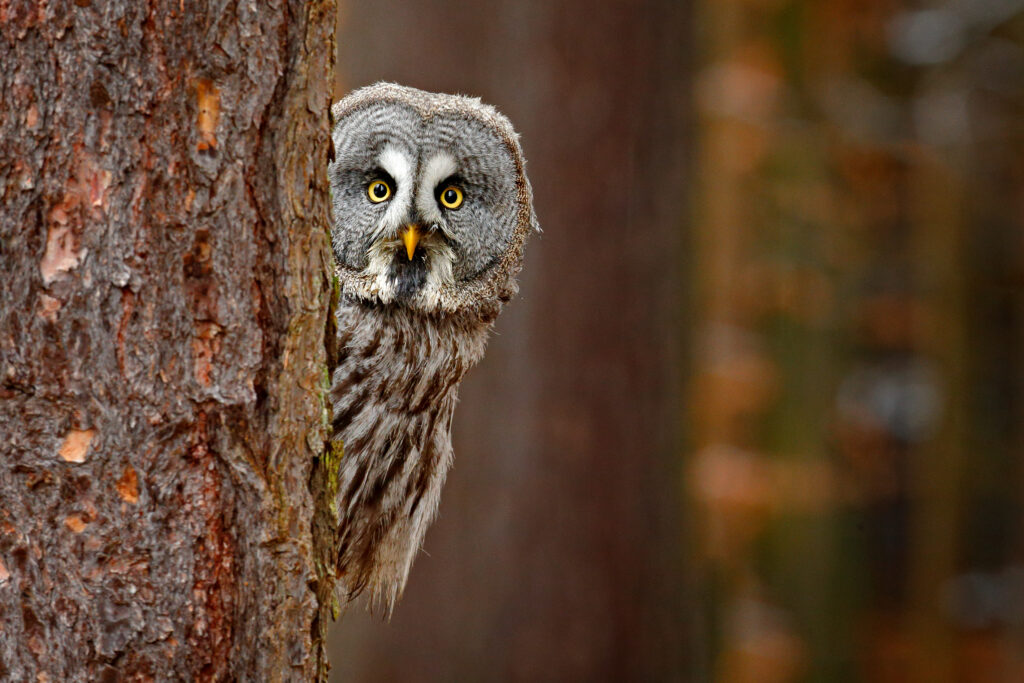
Late April through early June is the peak period for bird species diversity, with spring migration bringing warblers, shorebirds, and waterfowl through cottage country before summer boat traffic begins. June and July offer loon nesting activity. September and October bring fall migration and reduced lake traffic that makes mammal and bird sightings significantly easier. Check winter availability for Muskoka and Haliburton stays, which can produce owl sightings and deer at woodland edges through the colder months.
5. Do Ontario cottage listings include wildlife information?
Cottage Vacations listings include verified property details and, where relevant, property-specific wildlife notes. Owners are encouraged to include wildlife species lists and viewing tips in their guest welcome packages. Our team reviews listing accuracy seasonally so that renters have an honest picture of what to expect at the property. If you have specific wildlife viewing priorities, contact the team before booking and we will match you to a suitable property.
6. Are Common Loons protected in Ontario?
Yes. The Common Loon is a protected species under the Ontario Fish and Wildlife Conservation Act. Disturbing loon nests, approaching nesting pairs by boat or kayak, or interfering with loon activity is prohibited and can carry significant fines. Cottage guests should stay well clear of shoreline vegetation during loon nesting season from mid-May through July and avoid creating wake near quiet lake margins where loons are known to nest. Use our right cottage guide to identify properties with loon-active lake access before booking.
Key Takeaways
- Cottage Vacations provides accurate wildlife and amenity disclosures across all managed listings, with seasonal updates and property-specific guest notes.
- Ontario cottage rentals across Muskoka, Haliburton, Kawarthas, and Georgian Bay sit within some of the province’s richest wildlife habitat, with species diversity that changes by season and lake system.
- Common Loons are protected under the Ontario Fish and Wildlife Conservation Act; guests must stay clear of nesting areas between mid-May and July.
- Wildlife activity is highest at dawn and dusk, the best viewing windows for deer, fox, beaver, otter, loons, and herons.
- Feeding wildlife at Ontario cottages is strongly discouraged and can habituate animals to human food sources, increasing property access risk and potential safety concerns.
- Owners who include species lists, viewing tips, and wildlife-specific property notes in their listings attract guests who are better prepared and more respectful of the property.
- Black Bears are present across cottage country and require secure latching garbage containers and a clear response protocol communicated to guests in the welcome package.