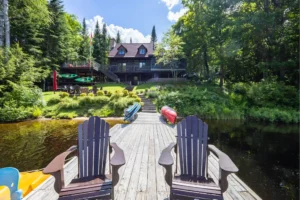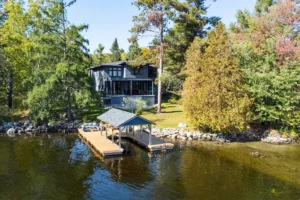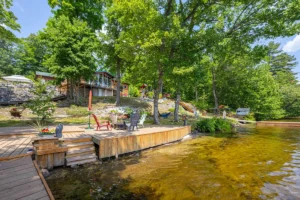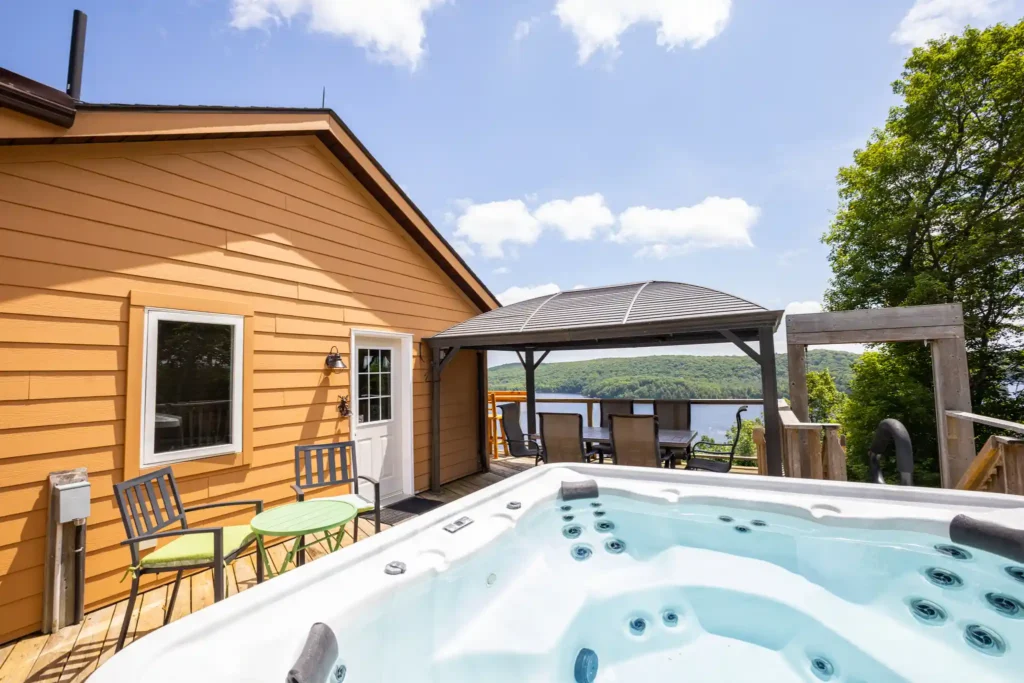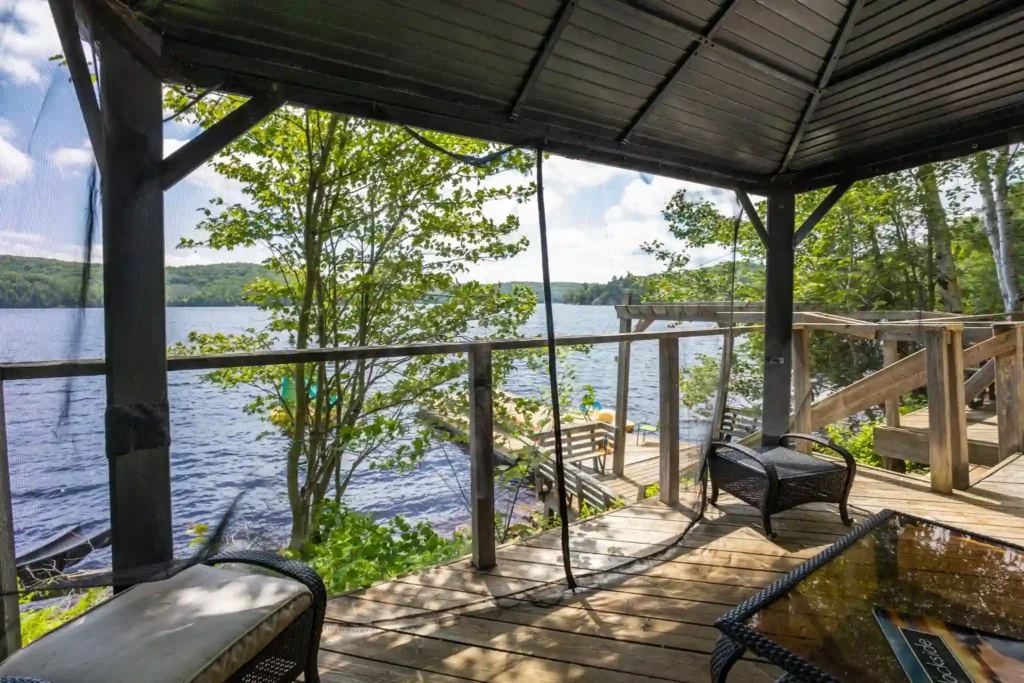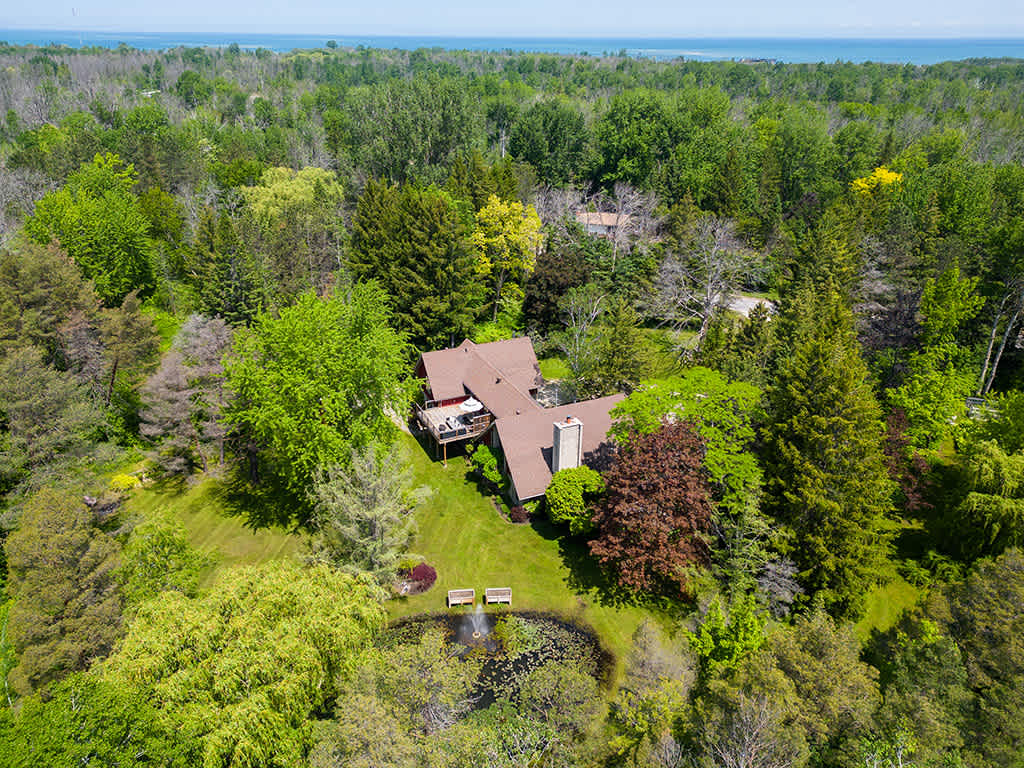
Cottage Etiquette 101 is the shared code of conduct that keeps Ontario’s cottage communities welcoming, peaceful, and well-preserved. Whether you are renting for the first time or hosting guests at your Muskoka property, this guide covers what renters and owners need to know before the next stay.
Understanding Cottage Community Expectations
Ontario’s cottage country is not like a resort or a hotel. These are real communities, many of them multigenerational, where seasonal residents and permanent locals share shorelines, roads, and natural spaces. Cottage Etiquette 101 starts with one principle: treat the property and its surroundings the way you would want your own home treated.
For renters:
- Respect private driveways, docks, property lines, and marked boundaries
- Check in and check out on schedule to support cleaning teams and incoming guests
- Keep music and gatherings at a reasonable level, particularly after evening hours
For owners:
- Provide clear written guidelines and post them visibly inside the cottage
- Register your rental with local authorities where required
- Set guest expectations upfront, including policies on noise, pets, and parking
Destination Ontario reports that Ontario’s cottage country regions see millions of visits each year, making respectful guest behaviour an important factor in the long-term health of these communities.
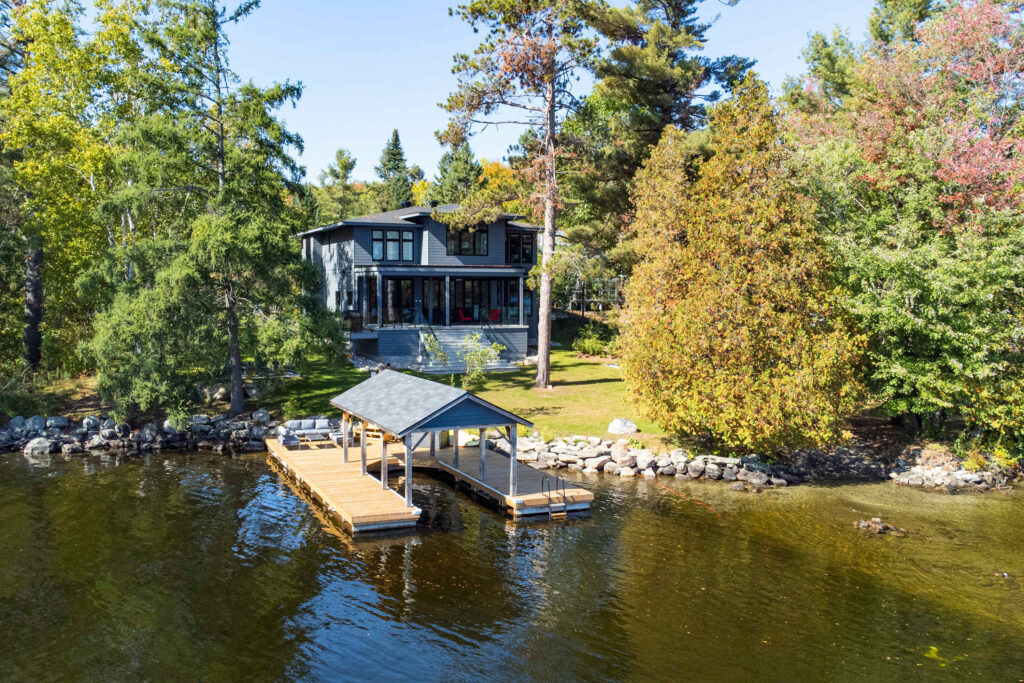
Respecting Nature: Leave No Trace
The lakes, forests, and shorelines of Muskoka, Georgian Bay, and the Kawarthas are what draw guests to Ontario’s cottage country in the first place. Protecting these environments is a core part of Cottage Etiquette 101 for anyone who visits them.
- Use recycling and compost systems provided; take garbage with you if collection is not available
- Light campfires only in designated pits and follow all seasonal fire restrictions
- Keep watercraft out of protected shoreline zones and avoid disturbing aquatic vegetation
- Observe wildlife from a distance; feeding animals disrupts natural behaviour and local ecosystems
Ontario’s Environmental Protection Act includes specific rules for waterfront property use, shoreline activity, and waste disposal that both guests and owners should be aware of before arriving at any rental property.
Noise and Privacy: Neighbours Deserve the Same Escape
Peace and quiet are core traditions in cottage country. Many families, retirees, and longtime cottage owners choose Ontario’s lakes specifically for rest and relaxation. Noise is one of the most common sources of friction in cottage communities and one of the most avoidable.
Core noise guidelines for Ontario cottage rentals:
- Observe posted quiet hours, typically 10pm to 8am
- Keep music from carrying across water or to neighbouring properties
- Keep pets leashed and supervised outdoors
- Park only in designated areas to avoid blocking shared roads
For owners, thoughtful property design can help. Placing fire pits and gathering areas away from property boundaries, and investing in appropriate landscaping, reduces the chance of noise-related issues with neighbours.
Owner Guide: Preparing Guests for a Respectful Stay
The best way to set the tone for a respectful stay is to prepare thoroughly before guests arrive. A well-organised welcome guide does most of the work before you even need to have a direct conversation.
What a strong welcome binder should include:
- Local emergency contacts and the nearest medical facility
- Specific house rules, including noise guidelines and outdoor equipment policies
- Instructions for waste disposal, recycling, and composting
- Outdoor equipment usage guides with safety reminders
- Local business recommendations and nearby trails or community resources
Our guest screening process matches properties with guests who have verified track records of respectful, responsible use. Owners who use full-service management have these screening tools built into every booking automatically.
Guest Guide: Getting the Best from Ontario Cottage Country
Cottage Etiquette 101 is not only about what you avoid. It is also about how you engage with the communities and landscapes you visit.
- Support local small businesses for groceries, fuel, and recreation equipment
- Stay on marked trails and roads; respect all posted private property signs
- Carry reusable bags and water bottles to reduce waste at the property
- Follow any posted speed limits on water, particularly near docks and swimming areas
- Leave the property in the same condition it was found, or better
Renters looking for pet-friendly cottages should confirm specific pet policies with the property team before arriving, as outdoor rules and shoreline access can vary by region.
VRMA guest education resources confirm that the highest-reviewed rental properties are consistently those where guests were well-informed about local norms and expectations before arrival.
Why Cottage Etiquette Protects Everyone
Cottage Etiquette 101 is not about restriction. It is about sustaining the very qualities that make Ontario’s cottage country worth visiting in the first place. Respectful guests get better stays. Responsible owners build stronger reputations. And the communities that host both benefit when everyone approaches the experience with genuine care.
At Cottage Vacations, we work with owners and guests across luxury properties and everyday rentals alike to maintain the kind of experience that brings people back year after year.
Frequently Asked Questions
1. What are the standard quiet hours in Ontario cottage communities?
Most Ontario cottage communities observe quiet hours between 10pm and 8am. Some municipalities have bylaws that set specific times. Property welcome guides should always state the expected quiet hours clearly. When in doubt, default to the quieter side and ask your host.
2. Can guests use the dock and waterfront equipment?
Guests may use whatever outdoor equipment is listed in the property description and confirmed with the booking team. Equipment not included in the listing should not be used without explicit permission. When in doubt, ask before using any watercraft, kayaks, or dock furniture that was not explicitly offered.
3. What should a cottage welcome binder include?
A well-prepared welcome binder covers emergency contacts, house rules, noise guidelines, waste disposal instructions, outdoor equipment usage guides, and local recommendations. Owners who use full-service management often have welcome guides prepared and updated by the management team each season.
4. How does Cottage Vacations screen for respectful guests?
We review guest profiles, references, and rental history before confirming any booking. We also draw from a database of over 35,000 verified past renters. This process significantly reduces the risk of unsuitable guests and protects both the property and the surrounding community.
5. Are campfires allowed at Ontario rental cottages?
Campfires are permitted at properties with designated fire pits, provided local fire restrictions are not in effect. Seasonal fire bans are common across Ontario’s cottage regions during dry periods. Guests should check current restrictions with local fire authorities on arrival, and all fires should be fully extinguished before going to bed or leaving the property.
Ready to List Your Cottage?
Looking for curated Muskoka cottages or list your cottage with an agency that takes guest accountability seriously? Speak with our team today.
Key Takeaways
- Cottage Etiquette 101 covers noise guidelines, nature care, property respect, and community behaviour
- Ontario’s cottage communities are multigenerational and rely on seasonal guests acting with genuine care
- Written welcome guides and clear house rules reduce the risk of issues for owners significantly
- Professional guest screening matches properties with renters who have proven track records
- Nature-care practices protect the lakes, forests, and shorelines that make cottage country special
- Respectful guests get better stays; responsible owners build the reputations that drive repeat bookings